The currency in the UAE is called the Dirham and is abbreviated to either AED, Dhs or DH.
When planning a trip to Dubai, Abu Dhabi or the other Emirates, many visitors wonder about the local currency, payment methods and whether cash is still needed. The good news is that the UAE offers one of the most modern and convenient payment systems in the world, while still maintaining a fascinating monetary history that reflects the country’s incredible development over the past decades.
Whether you prefer cash, credit cards, Apple Pay or digital wallets, managing money during your UAE holiday is usually simple and safe.
What Is the Currency in the UAE?
The official currency in the United Arab Emirates is the UAE Dirham, abbreviated as AED.
Common local abbreviations include:
- AED
- Dh
- Dhs
One dirham is divided into 100 fils.
The UAE dirham is known for its stability and has been officially pegged to the US Dollar for decades at approximately 3.6725 AED per 1 USD. This fixed exchange rate helps create a stable financial environment and makes the dirham one of the most reliable currencies in the region.
A Brief History of the UAE Dirham
Before the UAE was founded in 1971, different currencies were used throughout the Emirates. Abu Dhabi used the Bahraini Dinar, while Dubai and several northern emirates used the Qatar and Dubai Riyal.
Following the formation of the United Arab Emirates, the UAE Currency Board introduced the first official UAE dirham banknotes and coins on 19 May 1973.
In 1980, the Central Bank of the UAE was established and later introduced updated banknotes that gradually evolved into the dirham series known today.
Today, the UAE dirham represents not only the country’s financial stability but also its remarkable journey from desert trading communities to a modern global business and tourism hub.
Visit the Currency Museum in Abu Dhabi
For travelers interested in history, economics or Emirati heritage, the Currency Museum in Abu Dhabi is a hidden gem worth visiting.
The museum showcases:
- historical currencies used in the region
- the development of the UAE dirham
- rare banknotes and coinscom
- memorative currency collections
- the evolution of the UAE’s financial system
The exhibits help visitors understand how different emirates once used separate currencies before the introduction of the UAE dirham.
Official website:
https://www.centralbank.ae/en/museum
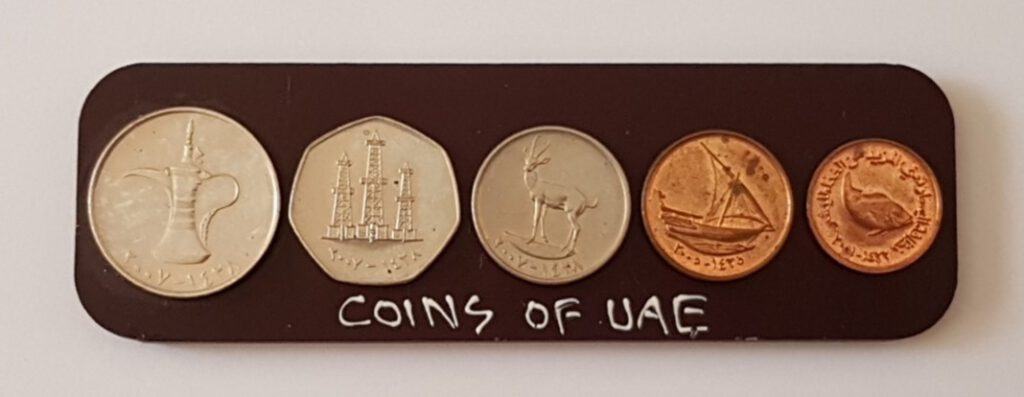
UAE Coins and Banknotes
Today, coins commonly used in the UAE include:
- 25 fils
- 50 fils
- 1 dirham
Smaller denominations such as 1, 5 and 10 fils technically still exist but are rarely used in daily life. Many prices are rounded to the nearest 25 fils.
Current banknotes include:
- 5 AED
- 10 AED
- 20 AED
- 50 AED
- 100 AED
- 200 AED
- 500 AED
- 1,000 AED
Each note features important national landmarks, cultural symbols and achievements of the UAE.
The New UAE Polymer Banknotes
In recent years, the UAE has introduced a new generation of advanced polymer banknotes.
The redesigned notes include:
- enhanced security features
- transparent windows
- improved durability
- modern designs reflecting the UAE’s future vision
The first polymer 50 AED note was released in 2021 to celebrate the UAE’s Golden Jubilee, followed by new polymer versions of the 5 AED, 10 AED, 500 AED and 1,000 AED notes.
Many visitors are surprised by the modern appearance and high quality of the new notes compared to traditional paper currency.
Paying in the UAE – Cash or Card?
The UAE is largely a cashless society today.
In most places you can easily pay using:
- Visa
- Mastercard
- American Express
- Apple Pay
- Google Pay
- Samsung Wallet
- Contactless debit cards
Hotels, restaurants, shopping malls, taxis and tourist attractions generally accept card payments without any problems.
Even small cafés and many local shops now support contactless payments.
Before You Travel
Before travelling to the UAE, it is a good idea to check with your bank whether your credit card is enabled for international transactions and withdrawals.
While many banks automatically allow worldwide usage, some may block transactions that appear unusual or originate from a foreign country. Verifying your card settings before departure can help avoid payment issues during your trip.
It is also advisable to carry a second payment method, such as an additional credit card or debit card, in case your primary card is lost, blocked or not accepted.
Can Tourists Use Euros or US Dollars?
In major tourist areas, some hotels, tour operators and selected stores may occasionally accept Euros or US Dollars.
However, this is not guaranteed and exchange rates offered on-site are often less favorable.
For this reason, visitors are generally advised to:
- pay by international credit card
- withdraw AED from local ATMs
- exchange money through licensed exchange offices
Using local currency usually provides the best value.
Money-Saving Tip for Tourists
A good strategy is to exchange only a small amount of cash before your trip for immediate expenses upon arrival, such as a taxi, snack or small purchase.
For most payments in the UAE, credit cards and digital wallets are widely accepted and often offer very competitive exchange rates.
If you need additional cash, it is usually better to exchange money at a licensed exchange house in the UAE, where rates are often more favorable than at airports or hotels.
When paying by credit card, you may occasionally be asked whether you would like to pay in your home currency (EUR, USD, GBP, etc.) or in UAE Dirham (AED). In most cases, choosing AED is the better option. This allows your bank or card provider to perform the currency conversion, which often results in a more favorable exchange rate than the merchant’s conversion service.
Withdrawing Cash in the UAE
Tourists can easily withdraw dirhams from ATMs throughout Dubai, Abu Dhabi and the other Emirates.
ATMs are available in:
- airports
- shopping malls
- hotels
- supermarkets
- business districts
- fuel stations
Most international debit and credit cards work without issues.
Before traveling, it is worth checking:
- international withdrawal fees
- foreign transaction charges
- daily withdrawal limits
Some banks also offer travel-friendly cards with lower international fees.
Mobile Payments and Digital Wallets
The UAE is one of the most technologically advanced countries in the world and digital payments are widely accepted.
Many residents rarely carry cash and instead use:
- Apple Pay
- Google Pay
- Samsung Wallet
- banking apps
- digital payment services
The UAE government and financial institutions are also actively investing in future digital currency systems and financial technology solutions.
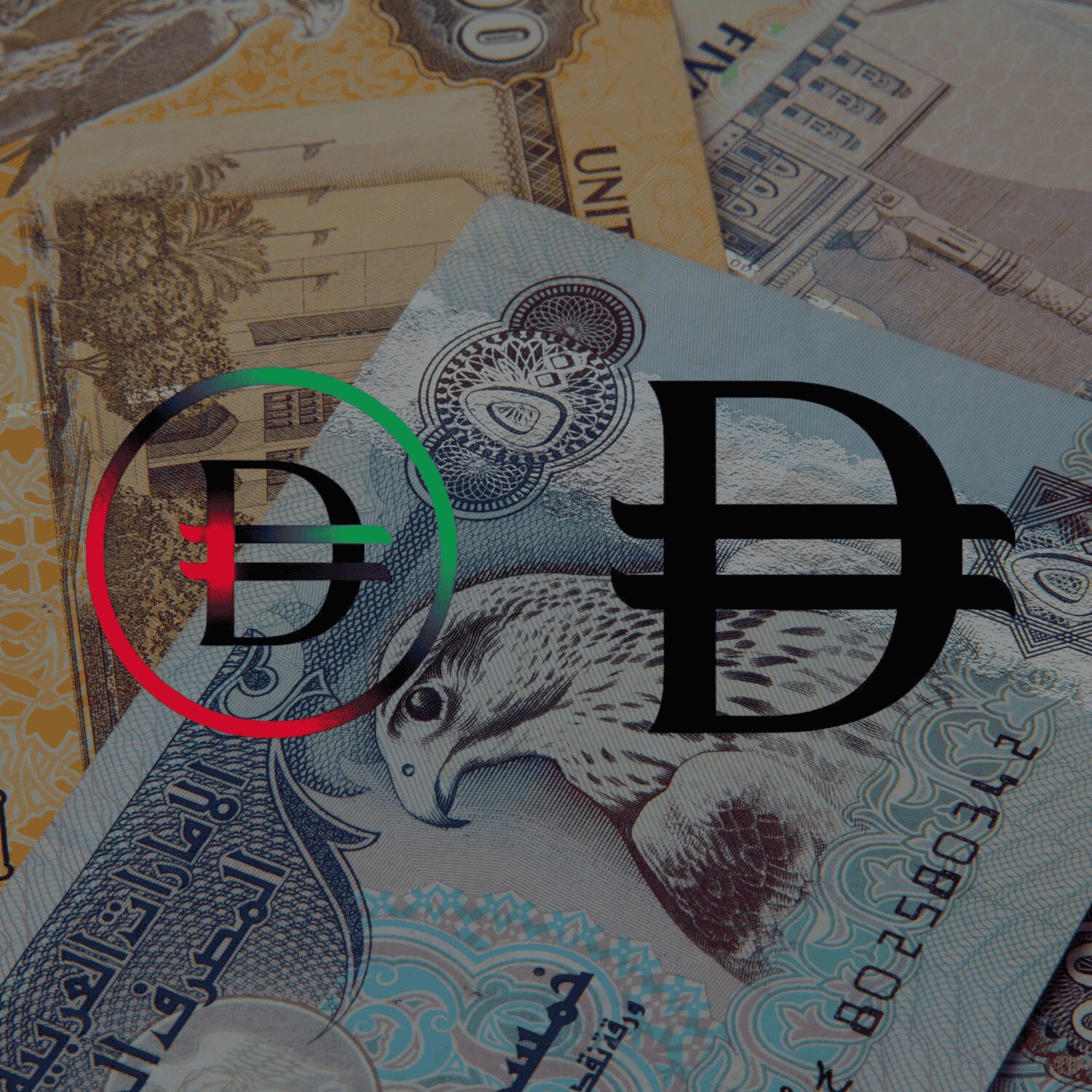
The New UAE Dirham Symbol
In 2025, the Central Bank of the UAE introduced a new official symbol for the dirham.
The design is based on the letter “D” and incorporates elements inspired by the UAE flag, symbolising financial stability, national identity and the country’s growing international economic influence.
The symbol is gradually appearing across banks, payment systems, websites and retail environments throughout the UAE.
Final Thoughts
Understanding the currency in the UAE is easy, even for first-time visitors. The dirham is a stable and modern currency supported by one of the world’s most advanced financial infrastructures.
Whether you choose to pay with cash, credit cards or digital wallets, managing money during your UAE holiday is simple and convenient. At the same time, exploring places like the Currency Museum in Abu Dhabi offers fascinating insight into the country’s financial history and rapid development.
From historic coins to cutting-edge polymer banknotes and digital payment innovations, the story of the UAE dirham reflects the remarkable transformation of the Emirates itself.